When you walk through a busy exhibition hall, certain stands instantly stop you in your tracks. They pull you in. You can feel the craft, the intention, the story behind them.
That moment of connection doesn’t happen by accident – it’s the result of great design.
At Aboveline, we believe every stand should do more than just look good. It should work hard for your brand, tell a story, and leave a lasting impression long after the event ends.
1. Great Design Starts with the Story
Every brand has a story – but not every exhibition stand tells it clearly.
The best designs begin with understanding your purpose: what do you want visitors to feel, remember, or do?
A stand that captures that essence becomes more than a structure; it becomes a live expression of your brand.
Whether that’s through colour, lighting, materials, or interactive features, the story should guide every creative decision.
2. Form Follows Function (and Flow)
Beautiful stands attract attention – but intelligent layouts keep people engaged.
From the moment visitors step into your space, they should feel guided, not confused.
Think about:
- Flow: Is it easy to navigate and explore?
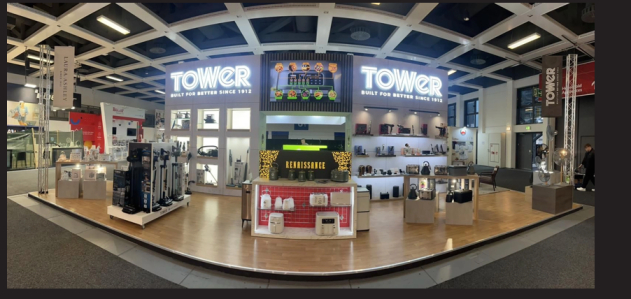
- Visibility: Are key products or messages positioned where eyes naturally land?
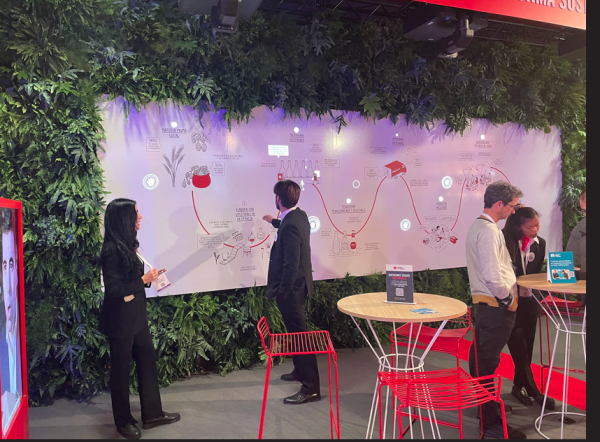
- Engagement: Are there spaces for conversation or demonstration?
A stand with great design makes every inch count – balancing creativity with practical usability.
3. The Power of Craftsmanship
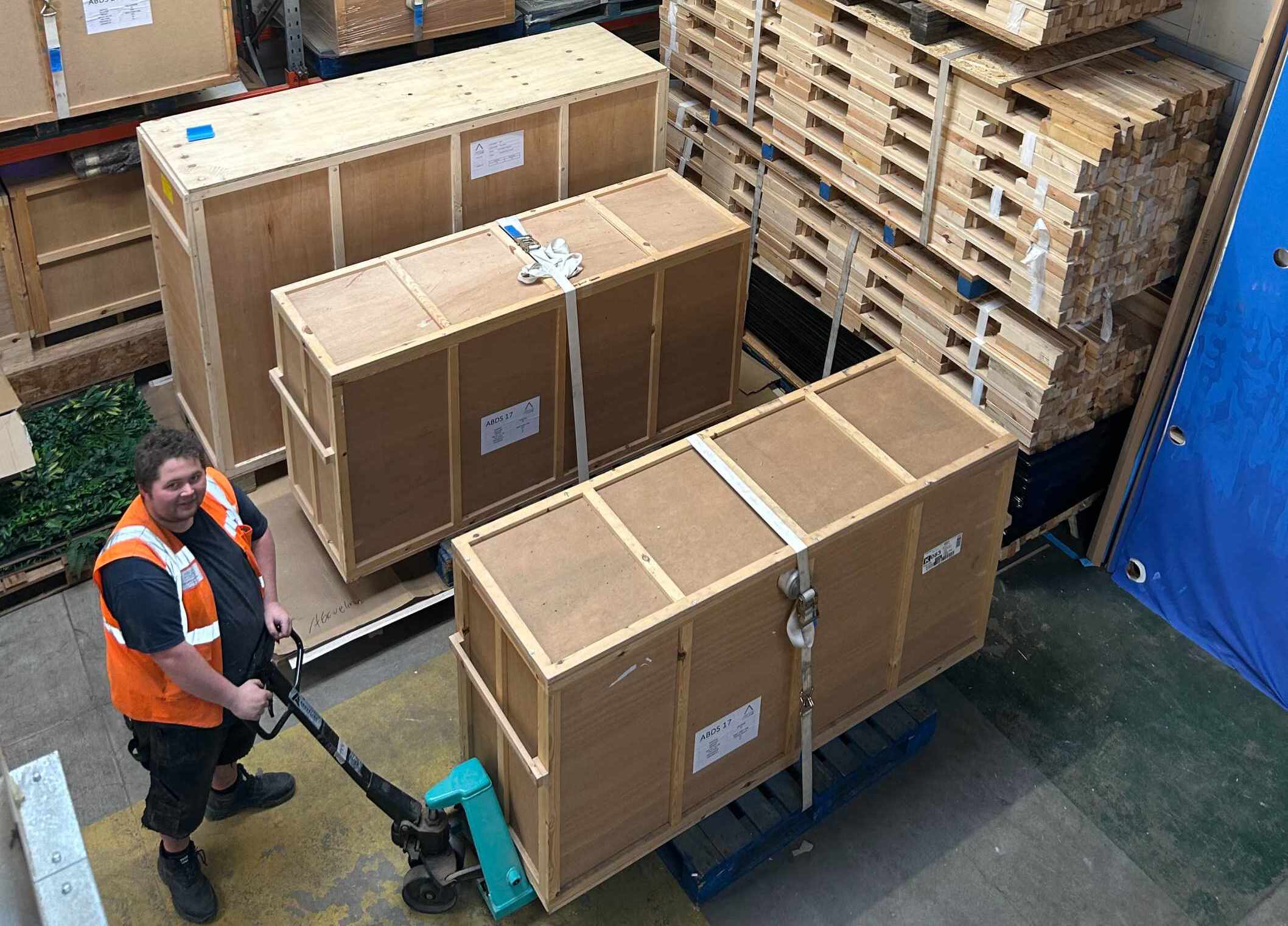
Behind every polished stand is hours of meticulous craftsmanship.
From precision joinery to flawless finishes, every detail contributes to how professional your brand feels.
It’s why our workshop and build teams at Aboveline work hand-in-hand with designers – ensuring every concept is engineered to perform under real event conditions.
Because the design only matters if it works.
4. Design that Works Harder for Your Brand
The best exhibition stand design doesn’t just wow the crowd – it delivers measurable results.
That means:
- More qualified conversations.
- Stronger recall post-event.
- Better content opportunities for social and PR.
When every design element has a purpose, the ROI naturally follows.
As we often say: “Design that stops people in their tracks – but also gets them talking.”
5. Built for Impact. Engineered for Experience.
From concept to completion, every Aboveline stand is built with care and detail.
We combine creativity, technical expertise, and a focus on outcomes – helping brands make the most of every event opportunity.
If you’re ready to create a stand that captures attention and converts it into real engagement, talk to our team today.
Frequently Asked Questions About Exhibition Stand Design
1. What is the purpose of an exhibition stand?
An exhibition stand is more than just a display – it’s a physical extension of your brand. Its purpose is to attract attention, engage visitors, and communicate your message in a memorable way. A well-designed stand helps you create meaningful conversations that turn into business opportunities.
2. How do I make my exhibition stand stand out?
Focus on clarity, storytelling, and experience.
Use bold visuals, lighting, and interactive elements to express your brand identity. Avoid clutter and keep messaging simple. The goal isn’t just to be seen – it’s to make visitors stop, feel something, and remember you after the show.
3. What are the key elements of a successful exhibition stand design?
The best stands balance creativity with functionality.
That usually includes:
- A clear visual hierarchy and strong branding.
- Quality materials and craftsmanship.
- Smart visitor flow and engagement points.
Integrated lighting and digital displays.
Every detail – from flooring to signage – contributes to how professional and polished your brand feels.
4. How much does an exhibition stand cost to design and build?
Costs vary depending on size, materials, and complexity.
A small modular stand may start around £5,000–£10,000, while large custom-built designs can reach £50,000+. At Aboveline, we focus on maximising return on investment – creating stands that work harder for your brand, not just your budget.
5. How long does it take to design and build an exhibition stand?
Timelines depend on scope, but typically:
- Design development: 2–4 weeks
Production & build: 4–8 weeks
Planning early ensures your stand is delivered smoothly and stress-free. Our in-house team manages every step – from concept sketches to on-site installation – so everything runs to schedule.
6. What materials are used in exhibition stand design?
Modern exhibition stands often combine:
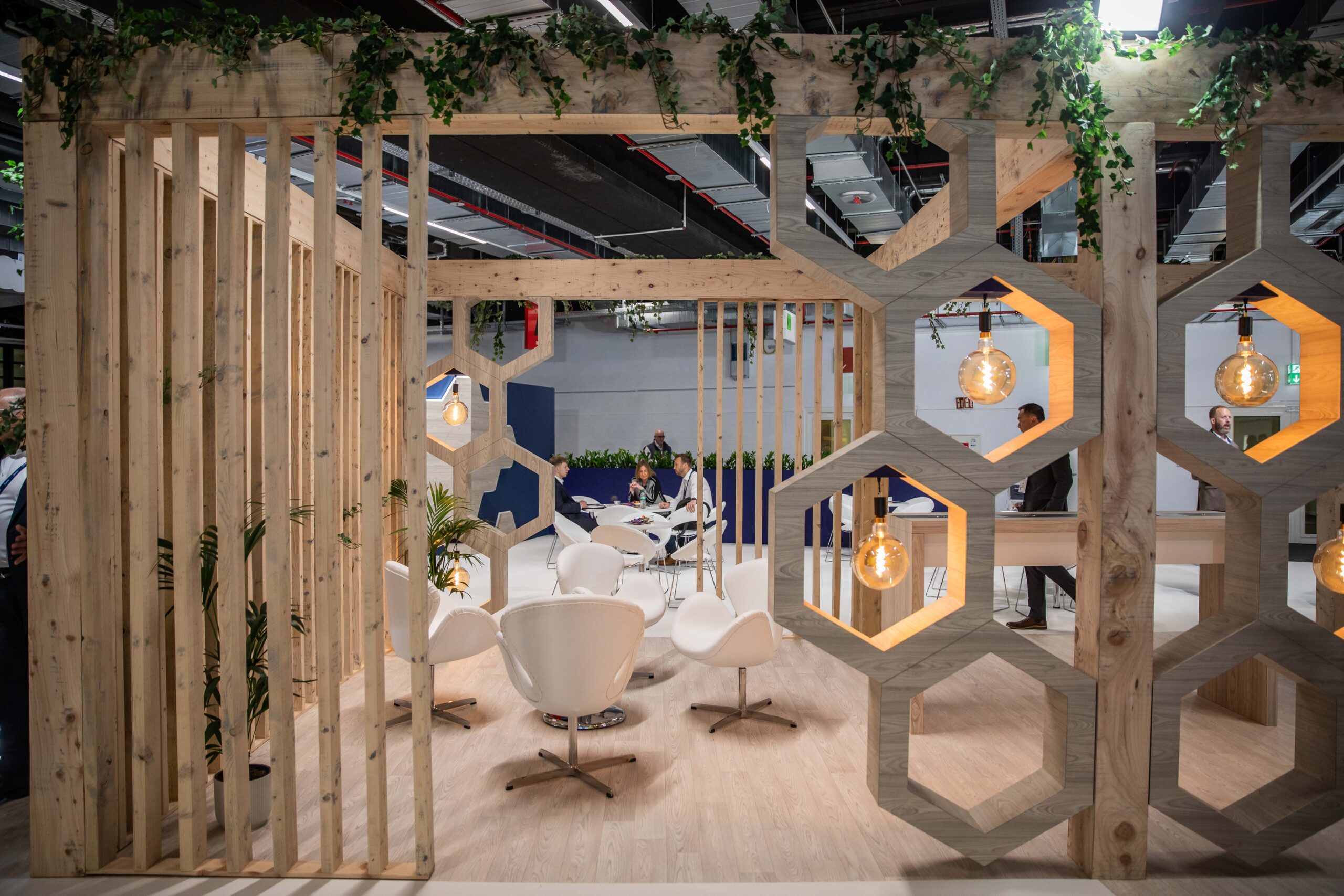
- Wood & MDF for structure and warmth.
- Metal & aluminium for strength and precision.
- Acrylics & glass for light and visibility.
Fabrics & LED screens for branding and motion.
At Aboveline, materials are chosen to balance impact, durability, and sustainability.
7. Why choose a custom exhibition stand over a modular one?
Custom stands allow you to express your brand’s individuality.
While modular systems are quick and reusable, a bespoke stand gives you full control over layout, storytelling, and audience experience – ideal for brands that want to make a lasting impression or showcase new products creatively.
8. How do I measure ROI from exhibition stand design?
Measure success beyond just footfall.
Track qualified leads, social engagement, post-event inquiries, and content reach. Great design creates both immediate impact and long-term brand equity – turning one event into months of visibility and opportunity.
9. What trends are shaping exhibition stand design in 2025?
Emerging trends include:
- Sustainable, reusable materials.
- Digital integration with LED and motion screens.
- Hybrid spaces blending physical and virtual engagement.
- Minimalist designs focused on storytelling and light.
The best designs aren’t just trendy – they’re timeless, built on craft and purpose.