
When visitors step into your exhibition space, they shouldn’t just see your brand – they should feel it.
A true brand experience goes beyond visuals; it immerses your audience in your story, values, and energy.
At Aboveline, we design exhibition environments that don’t just display products – they build emotion, spark conversation, and leave lasting impressions.
1. Start with Your Brand Story
Every effective exhibition experience begins with a clear narrative.
Ask: What does your brand stand for, and how do you want people to feel when they interact with it?
Your story informs everything – from layout and lighting to tone and texture. Whether it’s bold innovation or quiet sophistication, the environment should instantly communicate who you are before a single word is spoken.
2. Design for Emotion, Not Just Function
The most memorable experiences trigger emotion – excitement, curiosity, trust.
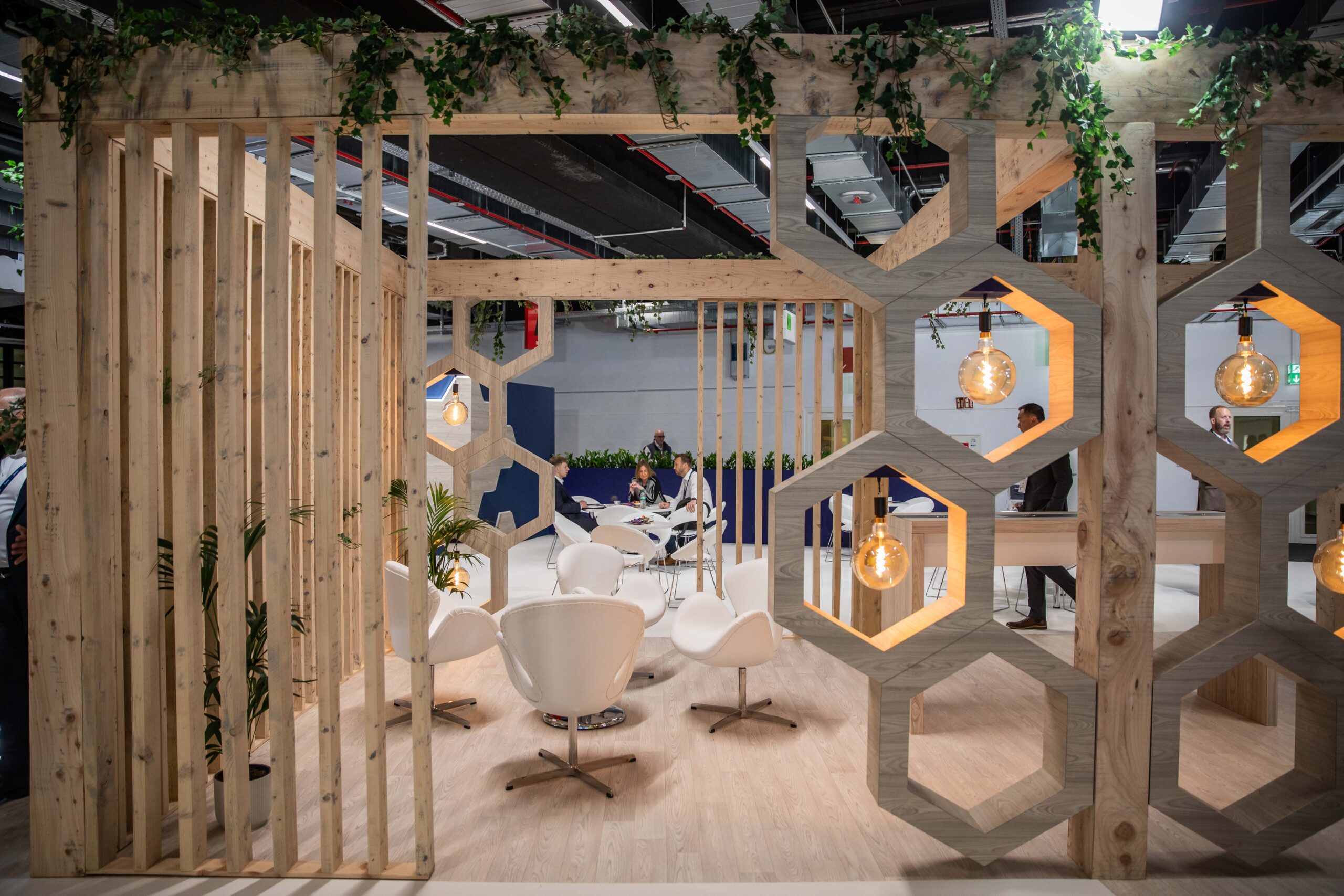
Use lighting, sound, movement, and texture to shape mood and flow.
For example:
- Warm tones invite conversation.
- Dynamic lighting builds energy.
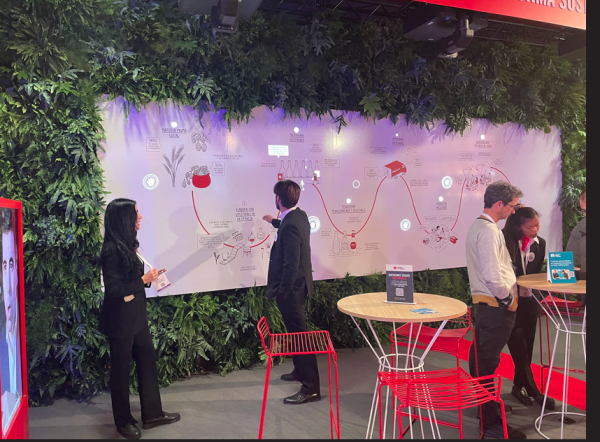
- Interactive zones turn visitors into participants.
A brand experience that stirs emotion creates stronger recall long after the event ends.
3. Build Engagement into Every Detail
A great stand doesn’t just attract attention; it invites participation.
From digital screens and AR demos to product sampling and tactile design elements – engagement is what turns passive visitors into active advocates.
At Aboveline, we think of engagement as a bridge between brand and audience. The more natural and seamless the interaction, the stronger the connection.
4. Align Design with Measurable ROI
A powerful brand experience should look good and work hard.
That means designing with goals in mind – whether it’s lead generation, content creation, or social amplification.
Think about:
- Clear zones for conversations and data capture.
- Visual backdrops optimised for social media sharing.
- Lighting and angles that enhance photography and video.
When design supports both storytelling and results, your ROI becomes part of the creative process.
5. From Space to Stage: Creating Immersive Moments
Think of your exhibition space as a stage and your visitors as the audience.
Every light cue, material choice, and display is part of the performance.
At Aboveline, we design environments that blend craftsmanship, creativity, and purpose – where every element contributes to a cohesive sensory experience.
That’s how a space becomes something greater: a living brand moment people remember and talk about.
Frequently Asked Questions About Brand Experience Design
1. What is brand experience design?
Brand experience design is the process of shaping how people feel and interact with your brand across physical and digital touchpoints. It combines storytelling, design, and sensory cues to create lasting emotional connections.
2. Why is brand experience important?
Because emotions drive decisions. When audiences experience your brand – not just see it – they form stronger associations and loyalty. It helps differentiate you in crowded markets and turn one-time visitors into long-term advocates.
3. How do you create a strong brand experience?
Start with your core message and values. Then translate those into a physical or digital environment through colour, lighting, sound, materials, and flow. Consistency and authenticity are key – every detail should reflect your brand truthfully.
4. What makes a successful brand experience?
Success lies in alignment – between your brand story, audience expectations, and measurable outcomes. A successful experience not only looks great but achieves goals like engagement, leads, or content reach.
5. How do you measure ROI on brand experience design?
Measure through engagement metrics (footfall, dwell time, leads, social mentions) and qualitative feedback (brand recall, sentiment). The strongest ROI often comes from long-term perception gains – not just event-day stats.
6. What are examples of brand experiences at exhibitions?
Examples include interactive product demos, immersive LED environments, live presentations, or multi-sensory installations. Anything that transforms a stand into an experience rather than a display qualifies as brand experience design.
7. How can small brands create powerful experiences on a budget?
Focus on storytelling and human connection. Even simple gestures – like personalised greetings or creative use of lighting and sound – can make a big impact. Great brand experiences don’t depend on scale, they depend on intention.