Trade shows are physical by nature. People travel to walk the floor, shake hands, and see products up close. But increasingly, the most memorable stands are blending physical spaces with digital experiences, creating deeper engagement and stronger brand recall.
At Aboveline, we help brands integrate digital elements that enhance rather than distract. Here is how digital experiences are shaping the future of exhibition design.
1. Digital as an Engagement Tool
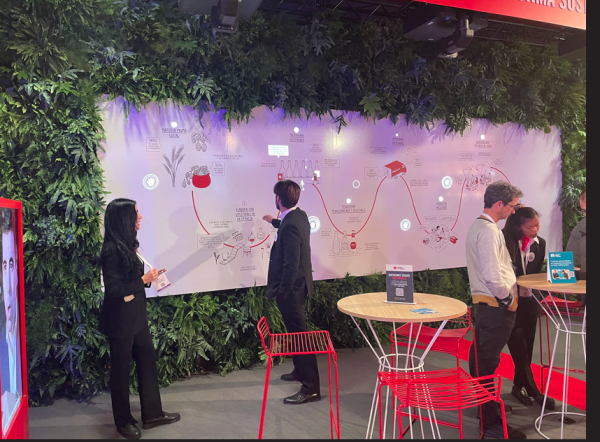
The right digital feature draws people in and gives them a reason to stay. Touchscreens, interactive product configurators, and self-guided content hubs let visitors explore at their own pace, often sparking deeper conversations with your team.
Digital tools can also capture valuable data. From contact details to product preferences, you gain insights that support lead nurturing long after the event ends.
2. Creating Visual Impact with LED and Motion
LED screens and video walls have become a staple of high-impact exhibition design. Used well, they add movement, energy, and scale, helping smaller stands punch above their weight.
Motion graphics can tell your story dynamically, shifting between product features, testimonials, live feeds, and brand messaging. They also photograph well, extending your reach through social sharing. For clients in fast-moving sectors like pharmaceuticals, where we work with brands including Sterling and Théa Pharmaceuticals, dynamic content helps communicate complex information quickly and memorably.
3. Immersive Experiences: AR and VR
Augmented reality and virtual reality offer ways to showcase what cannot be physically present. Whether it is a factory tour, a 3D product visualisation, or an immersive brand story, AR and VR create moments that leave a lasting impression.
These experiences work best when they are intuitive and purposeful. Avoid gimmicks. Focus on what genuinely adds value to your visitor’s journey.
4. Live Interactive Games and Experiences
Sometimes digital engagement is about fun. Live interactive games can draw crowds, create buzz, and make your stand the one people talk about. The key is relevance: tie the experience back to your brand or product so it reinforces your message rather than distracting from it.
We have seen interactive elements work brilliantly at busy consumer-facing events, where dwell time and memorability are everything.
5. Seamless Integration with Physical Design
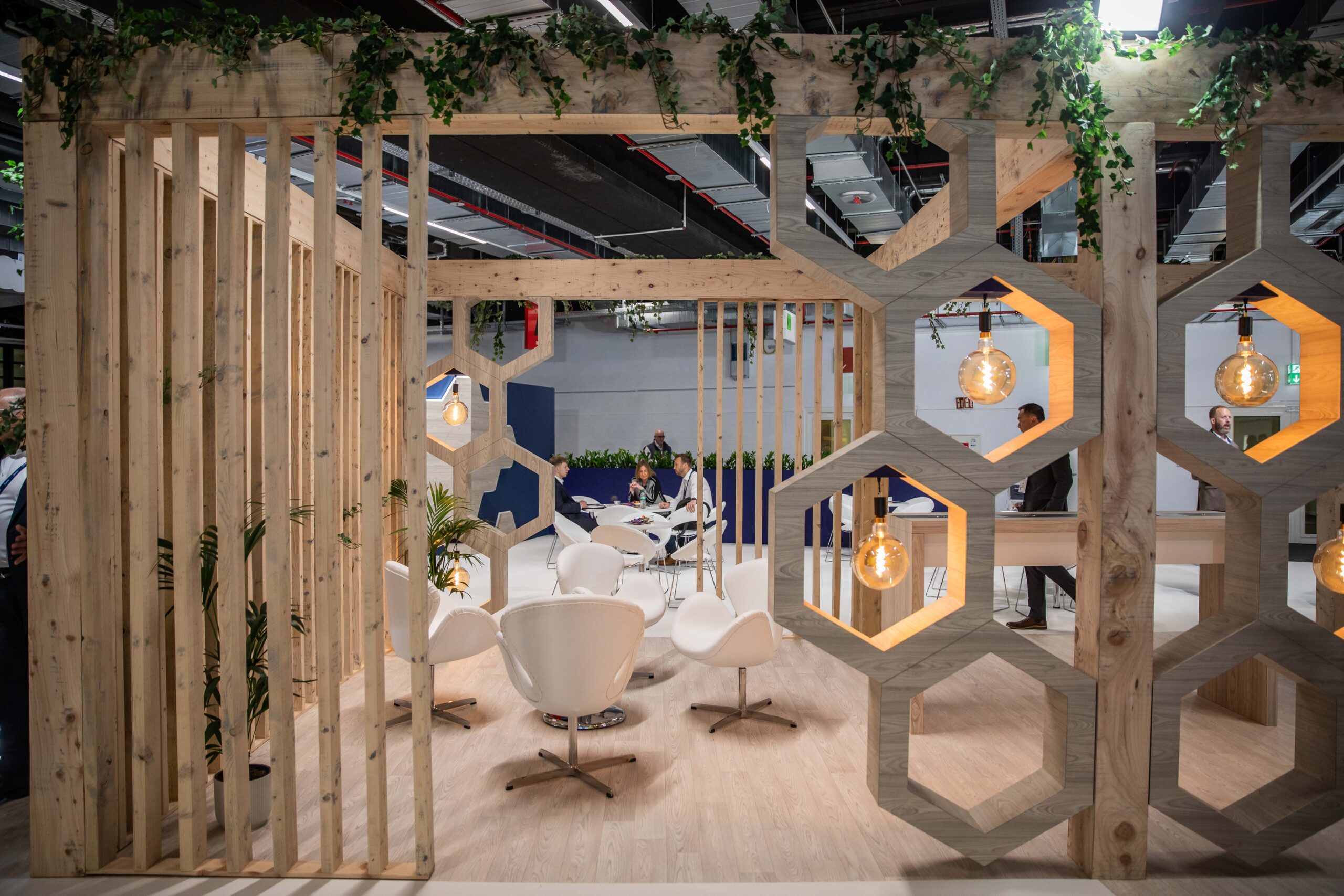
The most effective digital experiences feel like a natural part of the stand, not bolted-on afterthoughts. That means considering screens, cables, power supplies, and user flow from the start of the design process.
At Aboveline, we work closely with clients to integrate technology into the architecture of the stand, ensuring it looks polished, performs reliably, and supports the overall visitor experience. Our in-house design, digital, and build teams collaborate from day one so nothing is left to chance.
6. Content that Connects
Digital hardware is only as good as the content running on it. Invest in high-quality video, clear messaging, and content that speaks directly to your audience. Refresh it regularly if you exhibit at multiple shows.
Consider how the content will be experienced in a busy hall. Keep videos short, use captions, and design for visibility at distance.
7. Extending Reach Beyond the Stand
Digital experiences can live beyond the event itself. QR codes, microsites, and interactive tools can drive engagement before, during, and after the show. They also provide assets for ongoing marketing and sales activity.
When digital is built into your stand strategy from the outset, every touchpoint becomes an opportunity to build relationships and capture value.
If you are looking to bring digital experiences into your next exhibition, Aboveline can help you plan, design, and deliver a stand that combines craft with innovation. Talk to us about what is possible.