It’s one of the first questions clients ask us, and it’s the one most underestimate. The honest answer is: longer than you think.
For a bespoke exhibition stand, you’re typically looking at 8 to 12 weeks from brief to install. Modular or smaller stands can be quicker. Larger, complex builds with custom tech or international shipping often need more time. If you’ve got a show in six weeks and haven’t started yet, you’re already on the back foot.
Why Does It Take So Long?
Building a bespoke stand isn’t like ordering a piece of furniture. It’s a custom design project with multiple specialist trades, structural sign-offs, and a hard deadline that doesn’t move.
Every stand goes through the same core phases: brief, design, approval, production, transport, and install. Skip a step or rush one, and the quality shows. Worse, you risk arriving at the show with something that doesn’t work.
The Realistic Timeline, Phase by Phase
Here’s roughly how a 12-week project breaks down.
Weeks 1-2: Brief and discovery. You meet with your stand designer to talk objectives, audience, brand, budget, and floor space. The more clarity you bring at this stage, the smoother everything that follows.
Weeks 2-4: Concept and design. Your designer produces visuals, 3D renders, and floor plans. Expect at least one round of revisions. This is the stage where decisions are cheap, so make them properly.
Weeks 4-5: Approval and technical drawings. Once you sign off the design, the team produces detailed construction drawings. Lighting plans, electrical schematics, branding artwork, and material specs all get locked down here.
Weeks 5-9: Production. Joinery, graphics, fabric, custom builds. This is the longest single phase and where most of the budget gets spent. Tech integrations, like LED walls or interactive screens, often have their own lead times that need managing in parallel.
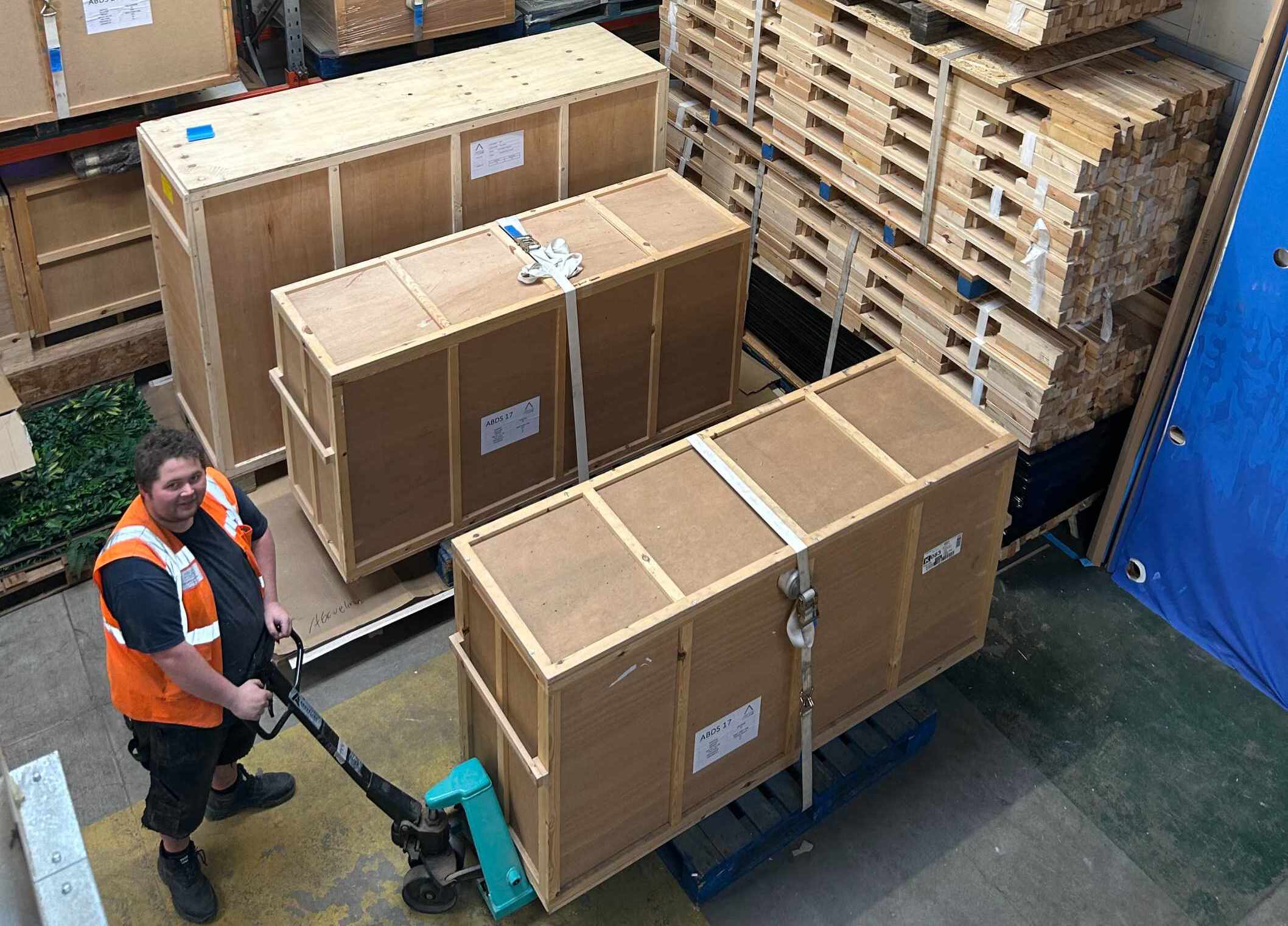
Week 9-10: Pre-show QA. A good supplier builds the stand in their workshop before the show, checks every detail, and sorts any issues before it leaves the warehouse. Skip this step at your peril.
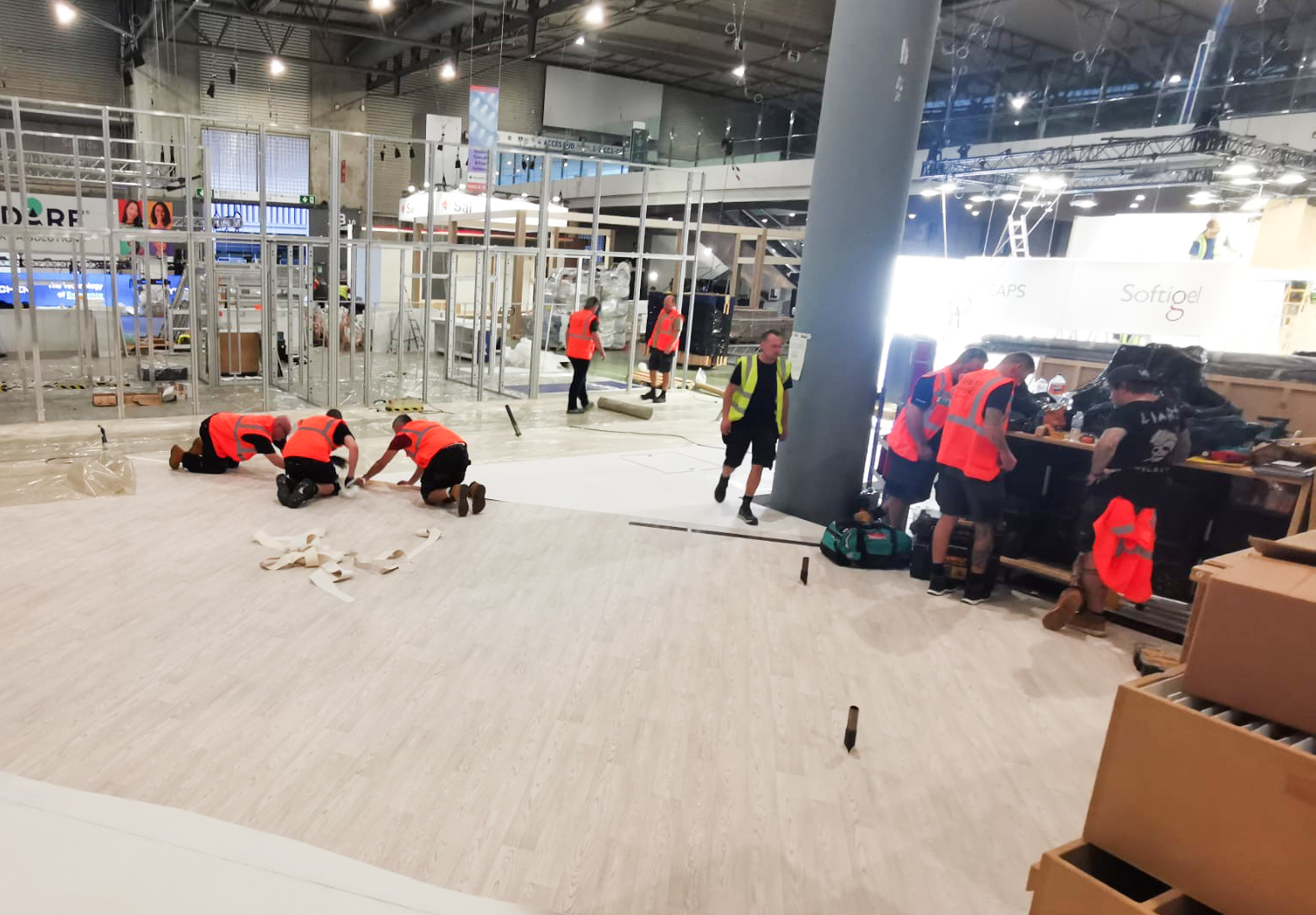
Show week: Transport and install. Most stands install over one to three days, depending on size and complexity. Larger international builds sometimes take a week.
What Slows Projects Down
Three things cause the majority of delays.
Late approvals. Designs get sent for sign-off and sit in someone’s inbox for a week. Multiply that across two or three rounds and you’ve lost a month.
Late changes. Clients add requirements after production has started. Sometimes it’s unavoidable, but it always costs time and money. The earlier you lock the brief, the less of this happens.
Material and tech lead times. Custom screens, specialist lighting, sustainable materials with longer sourcing windows. These need ordering early. A great supplier flags the long-lead items at the design stage so they’re factored in.
How Early Should You Start Planning?
For a bespoke stand at a major show, we’d recommend starting the conversation at least 3 to 4 months before the doors open. For larger or international builds, 6 months isn’t unreasonable.
That doesn’t mean you need a full brief on day one. It means giving your designer enough time to do the project properly, including the conversations that haven’t happened yet, the revisions you’ll want, and the decisions that always take longer than expected.
What If You’re Short on Time?
Tight timelines aren’t always a deal-breaker, but they narrow your options.
If you’ve got 4 to 6 weeks, you’ll need to lean on modular systems or simpler bespoke builds. Fewer custom elements, faster production, less room for elaborate tech. The result can still look great, but you’re working with constraints.
Anything under 4 weeks and you’re typically looking at hire stock, simple graphics, and a much more pared-back finish. Possible, but not ideal if you’re trying to make a statement.
The honest answer: whenever a client comes to us late, we’ll always be straight about what’s realistic. Sometimes that means a simpler stand done well, rather than an ambitious one rushed.
Why Working With the Same Supplier Speeds Things Up
Repeat clients move faster than first-timers. The brief is shorter, the brand assets are already set up, the production process is familiar.
We’ve worked with some of our clients across multiple shows a year for the best part of a decade. Once that relationship is in place, a project that might take 12 weeks for a new client can run in 6 to 8 weeks because so much of the groundwork is already done.
Plan Backwards From the Show Date
The single most useful thing you can do is work the timeline backwards from the show.
Pick your show date. Subtract a week for transport and install. Subtract another week for QA. Subtract four weeks for production. Subtract a week for technical drawings, two weeks for design, and two weeks for the brief. That’s roughly when the conversation should have started.
If the answer is ‘last month,’ don’t panic. Pick up the phone, be honest about the timeline, and let your supplier tell you what’s possible. The earlier that conversation happens, the more options stay on the table.