
Your exhibition stand is more than a structure. It is a stage for your brand, a space for connection, and often your single biggest opportunity to make an impression on hundreds of potential customers in just a few days.
Getting it right takes planning, clarity and the right creative partner. This guide walks you through everything you need to know to design and deliver a stand that works as hard as your team does.
1. Start with Clear Objectives
Before any sketches are drawn, define what success looks like. Are you launching a product? Building awareness? Generating leads? Strengthening relationships with existing clients?
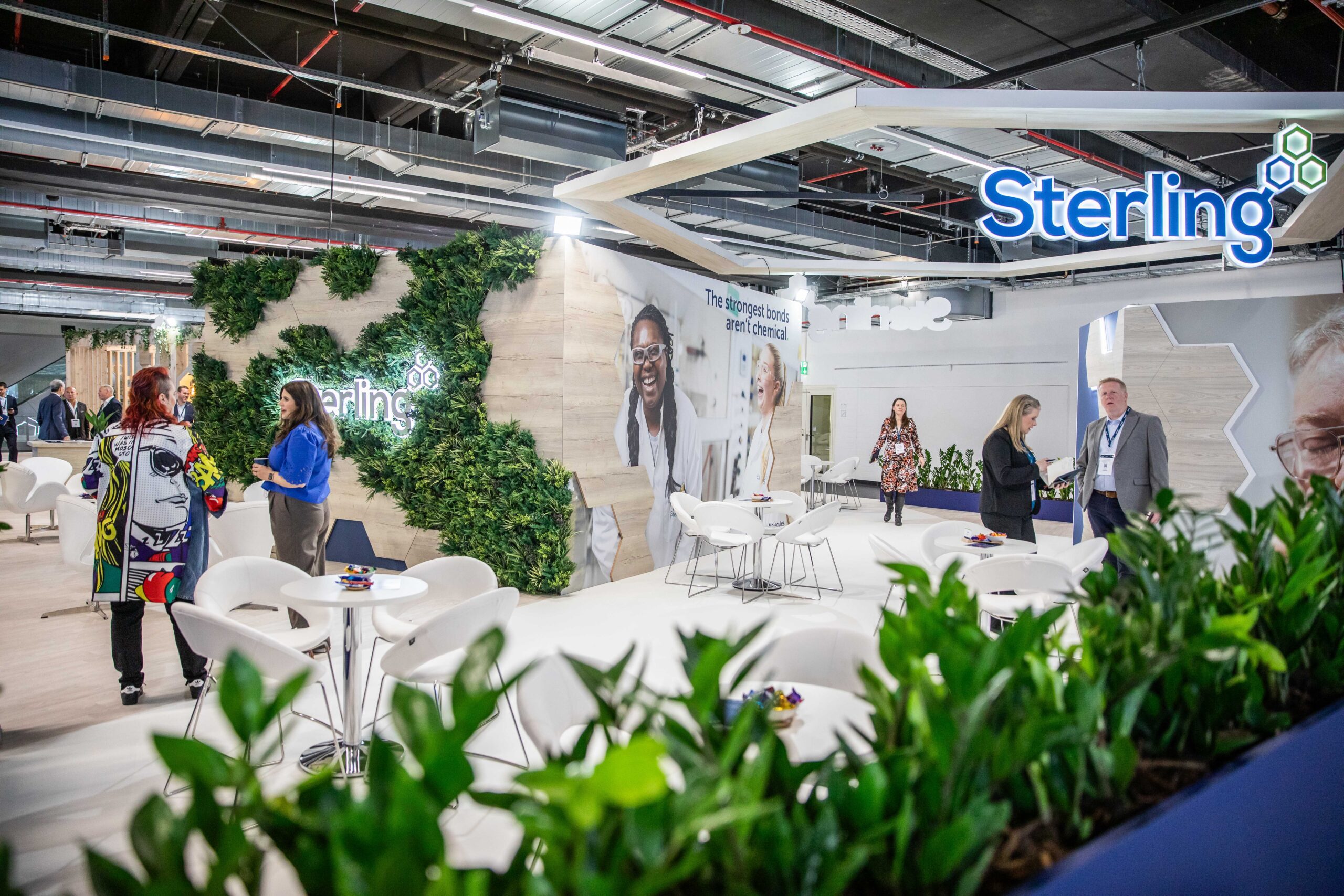
Your objectives shape every decision that follows, from layout and messaging to staffing and follow-up. A stand designed to capture leads will look and function differently from one built to host private meetings. When we began working with Sterling Pharma Solutions for CPHI back in 2017, our first conversations were about what they wanted visitors to feel and do, not what colours they liked.
2. Know Your Audience
Who are you trying to attract? Decision-makers, technical buyers, end users? Understanding your audience helps you pitch messaging at the right level and design experiences that resonate.
Think about what they care about, what problems they are trying to solve, and what would make them stop at your stand rather than the one next door.
3. Choose the Right Stand Type
Exhibition stands broadly fall into three categories:
• Custom stands offer complete creative freedom. Ideal for brands that want to make a strong visual statement or have unique spatial requirements.
• Modular stands use reconfigurable components. They balance flexibility with cost efficiency and are well suited to brands exhibiting at multiple events.
• Shell scheme stands are the most basic option, typically provided by the venue. With smart design, even these can be transformed into effective brand spaces.
The right choice depends on budget, objectives, and how often you exhibit. For clients like Ageas, who appear at the BIBA Conference year after year, we design stands that can evolve and refresh without starting from scratch each time.
4. Design for Flow and Function
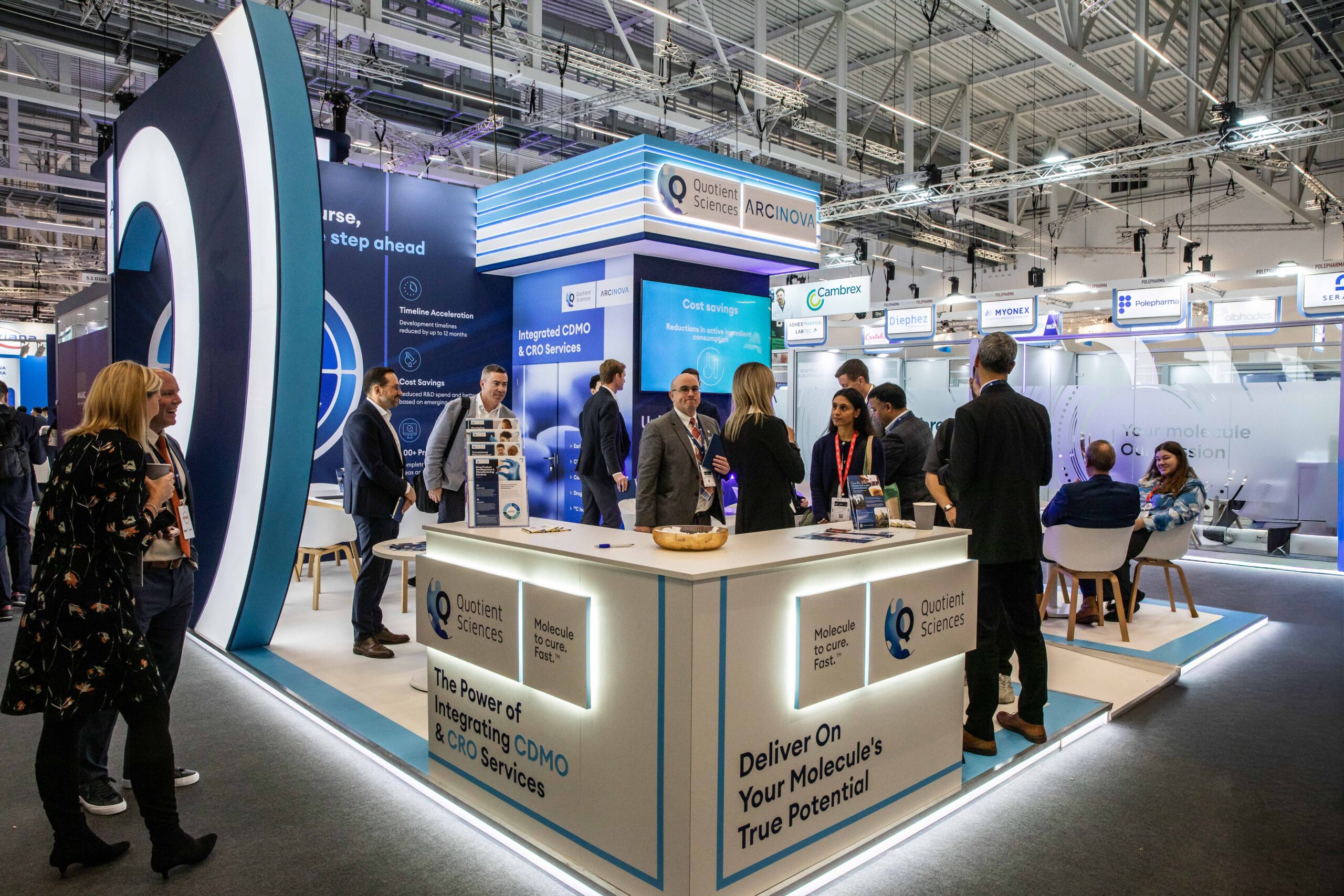
Great stand design balances creativity with practicality. Think about how visitors will move through the space. Where will they enter? What will they see first? Where will conversations happen?
Avoid cluttered layouts that create bottlenecks. Leave room for product displays, meeting areas, and storage. Make sure your team can move freely and engage visitors without tripping over cables or boxes.
5. Prioritise Strong Visual Communication
You have seconds to capture attention. Lead with a clear, confident headline visible from the aisle. Use high-quality graphics, consistent branding, and bold colour where appropriate.
Avoid cramming too much information into the space. Keep messaging focused on one or two key themes. Let the visuals do the heavy lifting and save the detail for conversations.
6. Invest in Quality Materials and Build
Visitors notice quality. A stand built with care and attention to detail reflects positively on your brand. Flimsy structures, scuffed surfaces, or wobbly fixtures send the opposite message.
At Aboveline, we manufacture everything in our own workshop in Cheshire, giving us full control over quality from start to finish. Every joint, edge, and finish is crafted to perform under the pressure of a busy event.
7. Lighting Makes the Difference
Lighting is one of the most underrated elements of stand design. The right scheme adds warmth, depth, and professionalism. It highlights products, draws the eye to key messages, and creates atmosphere.
Use a mix of ambient, accent, and feature lighting. Avoid harsh overhead lights that flatten the space. Consider how the lighting will look on camera too, especially if you are capturing content.
8. Integrate Technology Thoughtfully
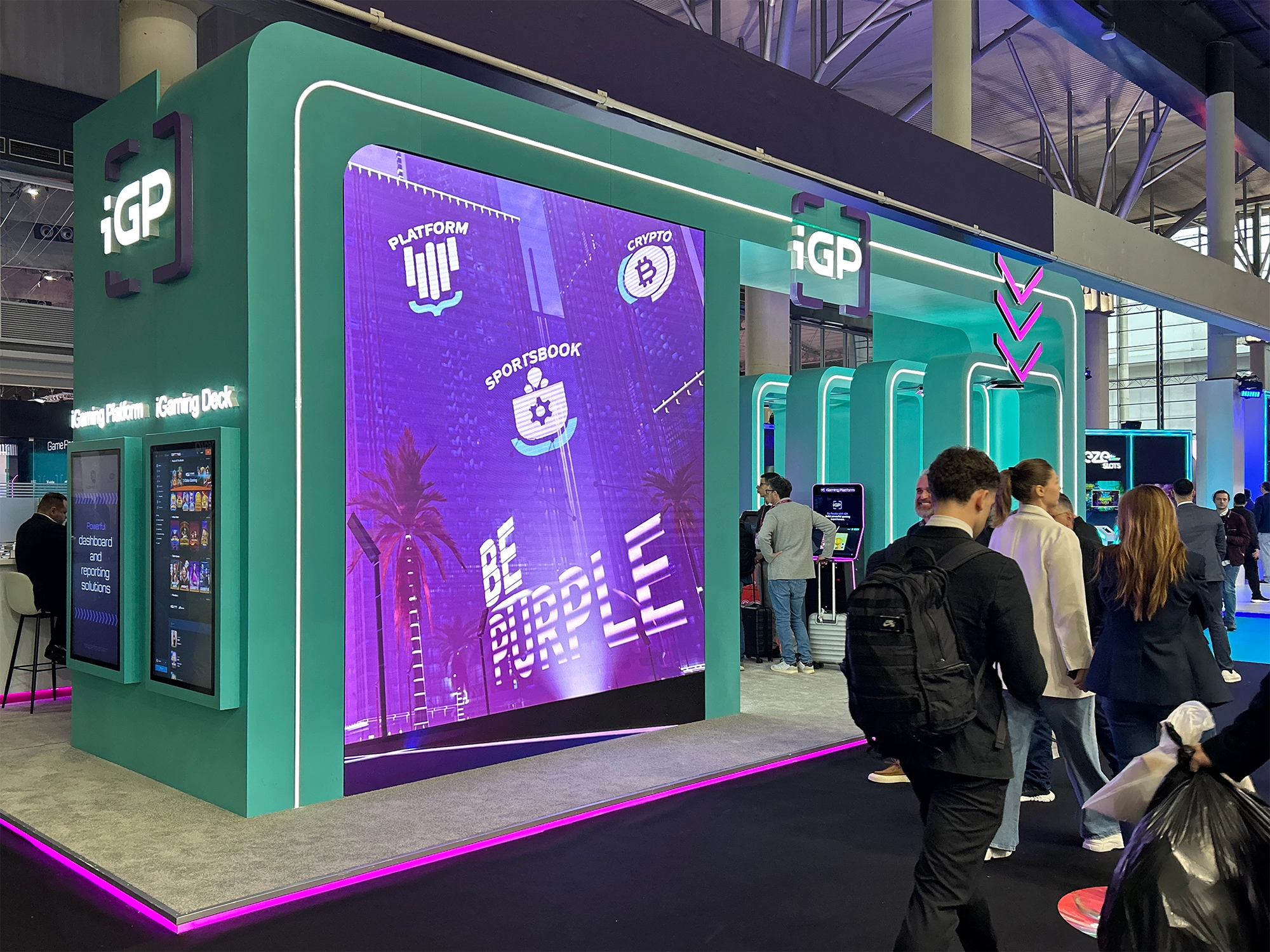
Digital screens, touchpoints, AR, VR, and motion graphics can all enhance a stand, but technology should serve a purpose. Ask whether it adds to the visitor experience or just adds complexity.
When used well, technology can extend engagement, capture data, and create shareable moments. From motion graphics to live interactive games and dynamic presentations, we help clients find the right balance between innovation and usability.
9. Plan for Logistics and Installation
The best designs mean nothing if the stand cannot be delivered, built, and dismantled smoothly. Consider transport, venue access, build schedules, and health and safety requirements.
Our in-house logistics and installation teams handle everything from delivery to on-site build, so clients can focus on preparing their team rather than worrying about whether the stand will arrive on time.
10. Think Beyond the Event
A well-designed stand can be stored, updated, and reused across multiple events. This extends your investment and reduces waste. Think about adaptability when briefing the design, especially if you exhibit regularly.